Blog

How to Design an Eye-Catching Beverage Label

How to Design an Eye-Catching Beverage Label

12/11/2023

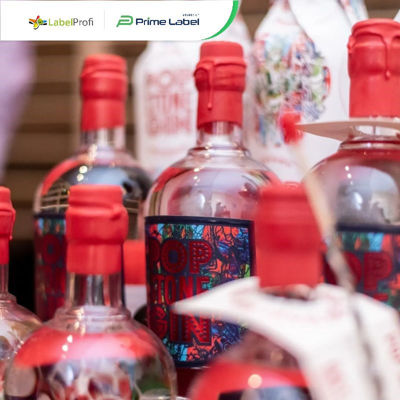
It only takes five to seven impressions before your business starts building brand awareness with a customer. Consistency and repetition over time are key. Otherwise, consumers will never remember your brand. About 60% of consumers prefer to purchase from familiar brands. You need to boost brand awareness and recognition. Your customers might turn to your competitors if they don't recognize your brand on the shelf. With a wow-worthy beverage label, you can draw in potential customers and boost your brand. Consistent branding can boost revenues by up to 23%. In time, you can turn recognition into brand loyalty. You can retain long-term customers and set your business up for growth. Want to design the best food and beverage labels your customers have ever seen? Keep reading for the tips you need! Get ready to wow your target audience with these beverage label design tips today. 1. Measure the Bottle Before you start designing your beverage label, take a moment to consider the bottle. Different bottles come in a variety of shapes and sizes. You'll need to design your label with the bottle you intend to use in mind. You can find a printable ruler online to get the measurements you need. Wrap the ruler around the bottle and record the dimensions. Are you planning on creating a full-wrap label? Make sure to add 1/4" to the end measurements. That way, you can ensure the label overlaps at the end. 2. Consider Your Brand Only 25% of companies have formal brand guidelines. If you're not following brand guidelines, you could struggle to maintain consistency. Inconsistent branding could confuse your customers. Meanwhile, you'll fail to build brand recognition. Instead, take the time to consider your target audience and company brand. First, research as much as you can about your target audience. What do they care about? What products do they already use and love? You can learn more about your target audience by creating distinct buyer personas based on: Age Gender Location Household income Education Marital status Buying behaviours Career Pain points Interests Hobbies Daily challenges Values Style Habits You don't want to create a brand that's mismatched with your target audience. You'll struggle to attract and appeal to consumers otherwise. If you already have a well-defined brand, that's great! Make sure to keep your brand guidelines handy. Otherwise, consider every component of your brand, including your: Vision Mission Voice Tone Personality Logo Colour palette Font styles Imagery styles Think about your unique value proposition, too. What sets you apart from other beverage companies? Think about the mood you want to evoke in your customers as well. How do you want them to feel when they see your beverages on the shelf? You'll want to create a beverage label that complements your existing brand. 3. Determine Your Visual Identity The visual elements you choose will help communicate your brand. There are different visual components you'll need to consider, including: Colour Typography Imagery Copy Each element should complement one another and tell a story about who you are. It's important to choose each visual component with care. Think about the message you want to convey. For example, let's say you want to look old-fashioned. You might consider using Papyrus as your font style. If you want to look conservative and traditional, use Times New Roman. Explore different visual components to determine what best suits your brand. Consider Colour Psychology Colours can evoke specific emotions. For example, we often associate red with passion and love. It can also communicate importance and attention. Here's a cheat sheet you can use to evoke different moods with your beverage label design: Black: powerful, edgy, sophisticated Gray: subdued, neutral, gloom White: clean, healthy, virtuous Pink: feminine, youthful, innocent Brown: rugged, old-fashioned, earthy Orange: friendly, vitality, playful Green: nature, growth, stability Yellow: happiness, warning, optimism Purple: royalty, luxury, creative Dark blue: formal, professional, security Light blue: trust, tranquillity, open Using a distinct colour can improve brand recognition by up to 80%. Try to use a unique shade. For example, instead of red, go a few shades lighter for crimson. Don't forget to look at the bottle before choosing your label colours. Are you using clear glass jars, cans, or brown beer bottles? Make sure the colours on your label and the bottle mesh together. Otherwise, you could create a visual mess. For example, placing an elegant, chocolate-brown label on a green bottle might make it look muddy. Limit using bright, neon colours, which might look overwhelming in large doses. Instead, use them as hints of colour against darker hues. Choose Your Typography and Imagery The typography you choose for food and beverage labels can impact your brand, too. Do you want to follow the trends or become a trendsetter? Do you want a creative font or a more traditional look? Make sure the typography you choose matches your brand's identity. For example, Georgia or Times New Roman can create a more traditional look. Maybe you want to use a font that mimics a fountain pen or typewriter. These fonts can communicate authenticity. You can convey the handmade quality of your product as a result. If you choose a cursive font, make sure it's legible. You don't want people to struggle to read your label content. Next, you'll need to consider your imagery. Again, think about your brand. What message are you trying to convey? If you're going for a more playful mood, choose cartoon characters or playful iconography. If you want to look cool and sleek, consider a minimalistic approach. Either way, the imagery should complement the look and feel you're trying to communicate. Make sure your imagery will appeal to your target audience. Otherwise, you might scare them away. Write It Out Once you have the essential components of your visual identity ready, consider your copy. You'll want to say as much as possible without much text. Too much text on your beverage label can make it look cluttered. People might have to squint to read a tiny font, too. Try to describe your product in a way that's tantalizing and tempting. Draw people in. Consider hiring a professional copywriter if you need help. Make sure their copy matches the voice and tone of your brand. Using the right adjectives can help you draw in customers. For example, you can use "decadent chocolate" over "milk chocolate." Before finalizing your copy, make sure it abides by the necessary legal requirements. For example, alcoholic products have to list net contents and alcohol content. They need to label the beverage class and type, too. These products also have requirements for font size and legibility. Remain up-to-date regarding any labelling requirements for your industry. Otherwise, you could come across regulatory issues in the future. You'll have to take your beverages off the market to fix the problem. The situation could prove costly as a result. Instead, get ahead of the problem. This food labelling guide from the FDA can help. 4. Imagine the Material The material you choose is an important aspect of your beverage label as well. Ordering the wrong material for the bottle, you're using can waste time and money. For example, do you plan on using glass bottles? Consider choosing a label with clear backing. The contents of the bottle will shine through as a result. You'll have an easier time conveying a modern, sleek brand. For plastic bottles, however, consider labels with a matte finish. Plastic bottles have to endure outdoor elements. A matte finish will ensure the label stands out, regardless of what the label endures. If necessary, you'll have an easier time writing on matte labels using a permanent marker, too. Different bottle label printing materials include: White matte White gloss Clear matte Clear gloss Metallic silver Would you prefer to create a metallic or foil label? These labels are ideal for alcoholic beverage labels. You can show off your brand and make it look luxurious. You'll need to consider the bottle's material while choosing the label's material. You can speak with an experienced label production company for help making a choice. They'll help you choose the right label materials with your goals in mind. 5. Add Your Special Touches Talk to your label printer about adding special touches to your labels, too. A few special finishes can help your brand stand out. You can enhance your existing brand identity in new, creative ways. For example, you can elevate your elegant typography with embossing. For a clear wine bottle, consider using a cutout label. Customers can see through the design and into the label. Consider knockout printing, too. This style is ideal for modern, fun brands. Talk to your printers to choose the touches that are best for your brand goals. Design It Right: 5 Tips for a Wow-Worthy Beverage Label Designing a creative, eye-catching beverage label can help your brand stand out on a shelf. With the right design elements, you can draw in customers. Once they fall in love with your product, you can turn those one-time customers into loyal buyers. It all starts with your beverage label design! Need help? We're happy to lend a hand! Contact us today to get started on your next label project.

6 Product Packaging Design Mistakes and How to Avoid Them

6 Product Packaging Design Mistakes and How to Avoid Them

12/5/2023

Clever packaging design is a powerful marketing tool. One 2013 study found that an appealing package can trigger impulse buying, even in people who didn’t plan to purchase anything. How do you make this fabled, attention-grabbing packaging? If it were that easy, everyone would be doing it. Clearly, there’s a heady mix of art, psychology, and, dare we say it, magic that goes into it. We’ve compiled a list of the don’ts when it comes to avoiding brand-damaging, sad-sales packaging. Read on to ensure you don’t fall into the trap of packaging design mistakes. 1. Packaging That Over-Promises From complex food labelling to greenwashing and inaccurate box sizes, packaging design ideas that mislead consumers are a big no-no. Inadvertently, or in some cases dishonestly, fooling customers is a sure-fire way to undermine their trust in your brand. If this happens, it’s not likely they’ll buy from you again. Advertising standards bodies worldwide have clear guidelines on what you can or can’t put on your packaging. In the UK, for example, the ASA advises companies to: Avoid exaggeration Have clear pricing Back up qualifications and claims Include all important information Not following these guidelines on packaging design and labelling can leave a company open to criticism, social media shaming, and even lawsuits. Not to mention a ton of potential lost revenue and long-term brand damage when consumers no longer trust your product. 2. Packaging That Doesn’t Offer Any Protection Testing package designs for durability is an essential step that companies often forgo, favouring a quicker production timeline. It won’t matter how beautiful the box looks or how much the copy sings if a broken product arrives at the store or the customer’s front. Not only will this reflect poorly on your brand, but it could also cost you money in unnecessary returns or warranty claims. 3. Making the Design Too Complicated As often said by early 20th-century architect Ludwig Mies van der Rohe, “Less is more.” Though somewhat overused, there’s still a lot of meaning in this phrase regarding packaging prints and graphics. Take the example of the unfortunate logo redesign undertaken by Kraft in the noughties. The food behemoth traded their well-recognised and straightforward logo for a considerably more complicated version, full of wacky fonts, busy icons, and way too many colours. Despite the apparent waste of money, time, and brand-damaging PR, by 2012, Kraft had changed its logo back to a version almost the same as the original. Another example would be packaging with too many layers or poorly designed packaging that protects the product inside so well it’s impossible to open. The lesson? Choose a packaging option that’s easy for the consumer to interact with and shows off the best attributes of your product without too much visual noise. 4. Not Considering Sustainability Way back in 2008, Stanford Social Innovation Review reported that 87 percent of people surveyed cared about the environmental impact of the product they purchased. Today, given the public awareness about climate change, water degradation, and species loss, those statistics are likely even higher. In short, there’s no excuse not to care about the planet we live on, and customers know this. Thankfully, sustainable and eco-friendly packaging solutions are now widely available. From cornstarch plastics and paper bubble wrap to recycled cardboard and soy-based inks, the earth-friendly packaging options now available to companies stand against their more chemically-inclined competitors in price, durability, and refinement. It’s also worth working with a professional packaging design company to ensure you’re using the least possible amount of materials while still protecting your product. 5. Trying to Write or Design It Yourself Sure, you could get your marketing intern to whip up some packaging on the internet and write the copy for you at little cost, but will the end result be worth it? Typos in copy or messy design layouts will have consumers questioning the professionalism of your company in no time. And when you’re dealing with hundreds or thousands of already printed packages, having to recall and reprint them all is going to cost you. One easy solution to ensuring you don’t waste money on simple mistakes is to work with the experts. A copywriter has years of experience in proofreading and creating copy that sells your product. Professional packaging designers know how to make boxing that protects your product, uses less material, ships and stores efficiently, and looks appealing. 6. Your Product Gets Lost On the Shelf Ever heard of the saying, “Eye line is the buy line?” If you’re lucky enough to snag this coveted position for your product in a supermarket or retail outlet, your product will already stand out from the crowd. But if like most brands in the store, your products are placed on an upper or lower shelf, you’re going to need boxing that grabs a customer’s attention in ways other than a bunch of logos on packages. Too many companies default to copying the packaging of their competitors in shape, function, and design. Instead, capitalise on your unique brand identity to create memorable packaging. Packaging matters for the virtual “shelf,” too. According to e-commerce service provider Shopify, shipping and fulfilment offer a chance for online companies to interact with consumers offline. Take advantage of this valuable (and rare in the e-commerce world) “touchpoint.” Wow your customers with your copy, exterior design, and material choices. Offer them other ways to interact with your brand well after the initial sale–think sales vouchers, bonuses for social media sharing, and QR codes. Don’t Risk Making Packaging Design Mistakes In the age of unboxing videos and an over-saturation of brands, packaging design is an essential marketing tool. It’s not worth risking sales over packaging design mistakes that you could easily avoid. Get it right, and you’re guaranteed to pop online or on the shelf. If you’re looking for professional guidance on packaging or label design, contact LabelProfi to discuss your project today. We’ve been helping companies make the right impression since 1994.
7 Benefits of Flexible Packaging to Consider for Small Businesses

7 Benefits of Flexible Packaging to Consider for Small Businesses

11/27/2023

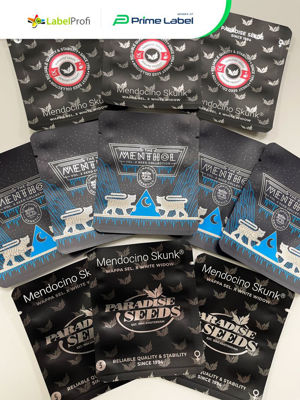
Are you looking for a handful of reasons to start using flexible packaging for your products? You can find over 30.7 million small businesses that are active in the US. Not all small businesses create and distribute products, but those that do have a variety of packaging to choose from. Among the different types of packaging, flexible packaging is one of the best to pick. In this guide, we’ll discuss the benefits of flexible packaging for small businesses. Keep reading to learn why you should consider flexible packaging for your products. 1. You Offer Consumer Convenience Let’s start by talking about how flexible packaging can improve customer experience. Rigid packaging, like boxes, tends to take up a lot of space. This can be difficult for consumers who need to pack your product in their luggage or keep them on the go. With flexible packaging, you’re increasing the convenience that your products have. They become easier to store or pack in a tight bag or small refrigerator. They are also lighter and use up less space. Packaging with re-closure and dispensing options let you increase its convenience. Some people prefer products that have re-closure features, like cheese spread, for example. You should also consider child-resistant closure for medication and chemicals, cosmetics, and more. 2. Extend the Shelf Life of a Product Does your business distribute consumable products like food and drinks? Using packaging with flexible film can increase your food product’s shelf life. Flexible packaging has barrier properties that keep products from spoiling early. Remember that not all products that go to the shelves get bought before the next re-stocking. Sometimes, your food or drink products go bad before they reach the cashier. This results in more food waste, which is already a problem in the US. Did you know that 30-40% of the food supply in the US becomes waste? When you increase the shelf life of a product, you help decrease food waste. You also protect the product from going bad early and help them stay on the shelves longer. 3. Consumers Get Ensured Product Security and Sterility Let’s say you’re buying cotton pads or wipes at the supermarket. You have two choices: one is a brand that packaged the pads in a plastic box container with openings at the edges. The other brand uses secure flexible packaging with a sealer or zipper. Between the two, you’ll most likely buy the brand with flexible and re-sealable packaging. This is an extreme and obvious example. Yet, you must know that consumers want to get ensured a product’s security and sterility. These two factors are vital if you distribute food, cosmetics, medication, and similar products. Compared to other packaging types, flexible packaging offers improved packaging protection. Unlike boxes or other types of packaging, it won’t open by accident or during transit. This keeps the product sterile and secure. 4. Keeps Your Product Fresh The next item on our list of the benefits of flexible packaging involves keeping a product fresh. Flexible packaging won’t only preserve the sterility of a product. It can also maintain a product’s quality and keep it fresh. Some products lose their freshness or effectiveness when they get exposed to light. Some products may go bad or become inefficient when they get exposed to moisture or vapours. Thus, you won't have to worry about your products getting exposed to the elements. 5. Flexible Packaging Eases Shipping and Handling Another big advantage of using flexible packaging is that it’s easier to transport them. As we mentioned, flexible packaging takes up less space. Because the packaging is flexible, you can fit more of the product in a container. A truckload of flat pouches has more products than a truckload of rigid containers. You can also say the same when handling your products. It’ll take a sales rep in a store more trips from storage to fill a shelf with the products that have rigid containers. Even consumers will enjoy the lightweight nature of flexible packaging. They can add more of it to a shopping cart, which can improve customer experience. It’s also easier for them to fit products with flexible packaging in a pantry or shelf. 6. Show Off Your Brand in a Packaging With Good Shelf Appeal Let’s talk about how your products will look on shelves. There are flexible packaging options that allow customers to see the product inside them. This is a smart choice for food product packaging. Do you want to know the specific types of flexible packaging? A few examples of the most common and favoured types of flexible packaging include: Sachets Pouches Wrappers Packets Envelopes Stick packs or flex sticks Bags There are many unique ways to add designs for packages like pouches, stick packs, bags, and more. The key to customizing product packages is to keep in mind their value for the customer. Don’t design product packages that have unnecessary features or layouts. 7. Flexible Packaging Creates Less Waste Food waste isn’t the only type of waste you produce less of when you use flexible packaging. You can also reduce the waste used by packaging companies with flexible packaging. Flexible packaging uses less water, fossil fuel and reduces greenhouse gas emissions. Compare it with plastic canister and steel can packaging. In greenhouse gas emissions alone, plastic canisters produce four times more gasses. Steel can packaging creates seven times more greenhouse gases. Other than using fewer resources, some types of flexible packaging are recyclable. If the product packaging had a re-sealable top, consumers might even reuse it for other things. One of the best examples includes bags with zippers. Enjoy the Benefits of Flexible Packaging for Your Products Today Those are the top benefits of flexible packaging for your products. We hope that our guide helped you learn more about finding the right packaging for your products. Remember that you don’t need to be a big company or business first to use these benefits. Did you enjoy reading our guide on the benefits of using flexible packaging? Are you looking for a company that'll help you design and choose the best packaging for your products? Reach out to us today and let us know what you need.